
Multi-Factor Authentication (MFA) Implementation and Integration
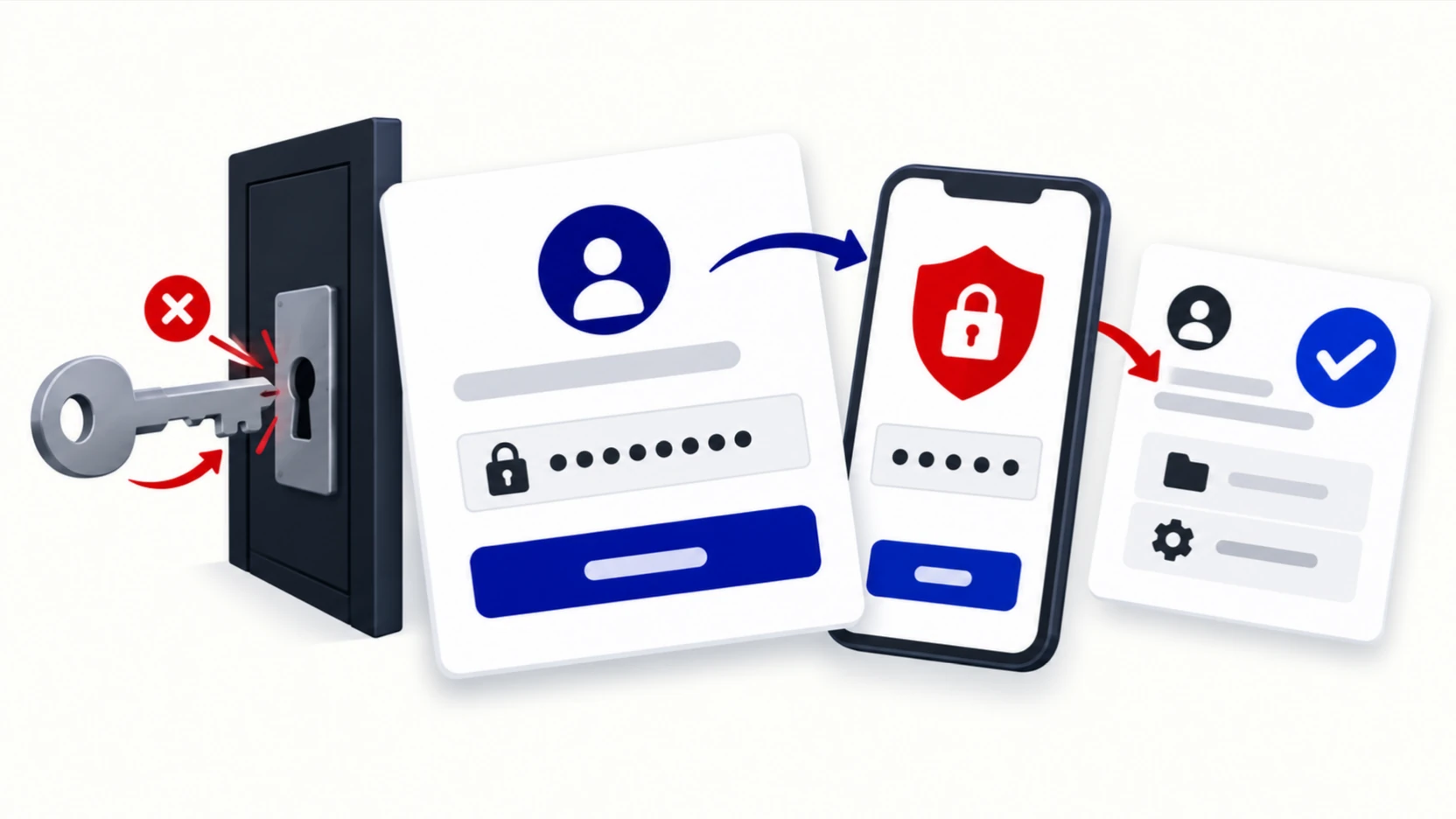
Problem
The platform lacked built-in multi-factor authentication (MFA) capabilities, leaving users vulnerable to credential-based attacks such as phishing and unauthorized access. Enterprise clients expressed a critical need for integration with leading MFA providers to bolster security and meet compliance requirements.
Also applicable to:
- Financial services requiring stringent user authentication protocols.
- Cloud-based SaaS platforms handling sensitive customer or business data.
- Healthcare applications needing compliance with HIPAA and similar regulations.
- Retail and e-commerce platforms seeking to enhance user account protection.
- Any organization prioritizing identity and access management to safeguard digital assets.
Solution
Drawing from extensive experience in designing secure authentication systems, our team implemented robust MFA support tailored to meet enterprise needs. This included seamless integration with popular providers such as Duo, PingID, and Okta, offering users a flexible, secure authentication process. Key aspects of the implementation included:
- Developing a backend system to handle MFA enrollment, verification, and ongoing user management via Duo, PingID, and Okta APIs.
- Collaborating with the frontend development team to create intuitive user flows for MFA setup and challenge resolution.
- Ensuring seamless compatibility with existing authentication mechanisms, including single sign-on (SSO) and identity federation.
- Conducting thorough security assessments to validate adherence to industry best practices and reinforce trust.
This approach reflects our capability to navigate complex integration challenges and deliver solutions that align with stringent enterprise requirements.
Impact
- Strengthened Platform Security: The integration significantly reduced the risk of unauthorized access by adding an additional layer of account protection.
- Compliance-Ready Solution: The inclusion of MFA capabilities enabled clients to meet regulatory and enterprise security standards, opening doors to new partnerships.
- Enhanced User Trust: End-users gained confidence in the product's commitment to protecting their sensitive data, resulting in improved retention and satisfaction.
Technologies
- Programming Languages: Golang
- Protocols: OAuth2
- APIs and SDKs: Duo SDK, PingID API, Okta API
- Architectural Style: REST APIs
- Industry Focus Areas: Cloud-based SaaS, Identity and Access Management, Security

Sr. Engineering Leader with 15+ years of experience. Ex-ApplyBoard. AWS Certified Solutions Architect.

AI/ML scientist with 20+ years of research & industry experience. Ex-Google DeepMind, MIT, Harvard, Mila. McGill-Mila PhD.