
Open-Source vs. Proprietary AI Models: A Decision Guide for Business Owners
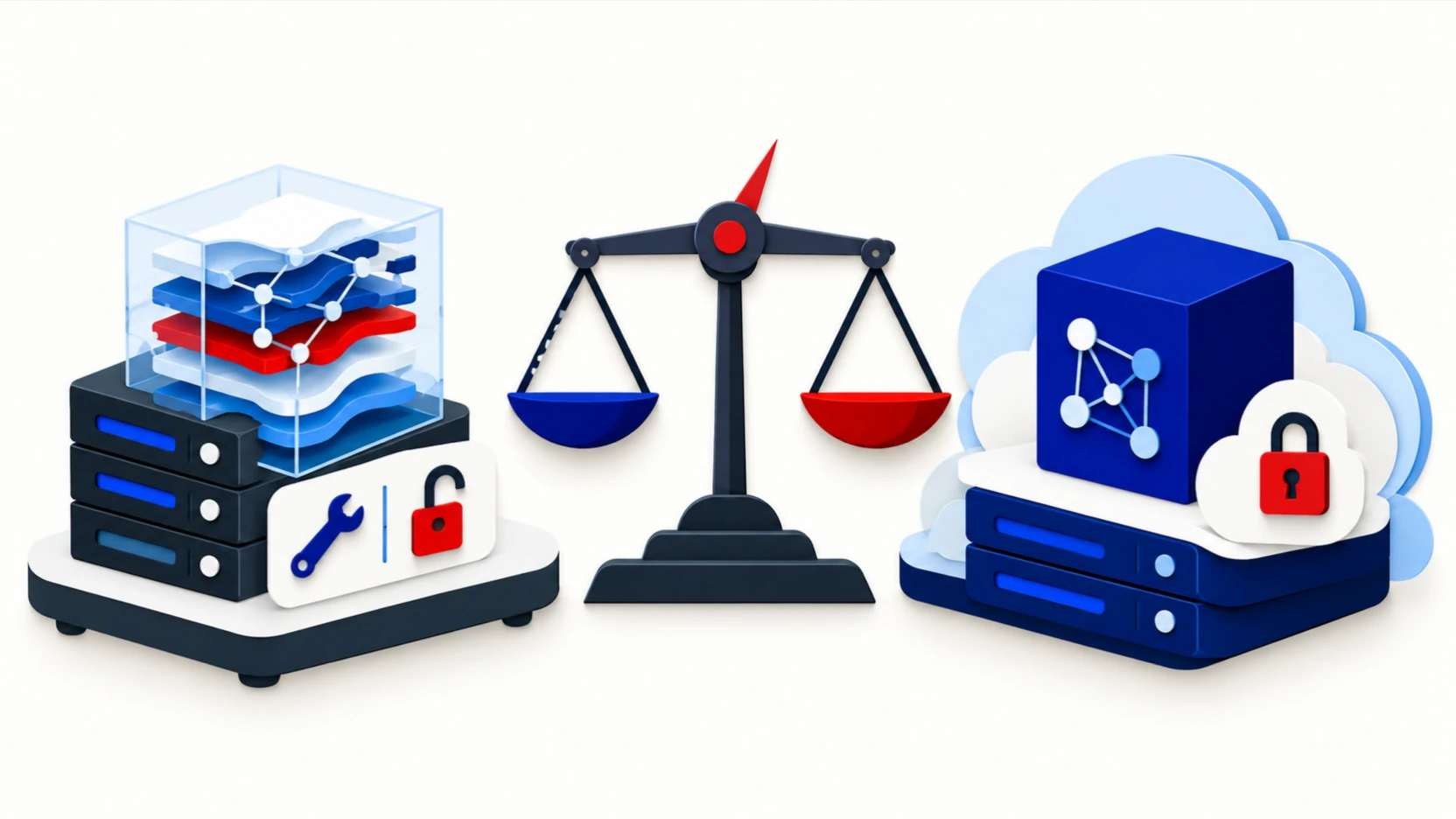
As a business owner considering the adoption of AI models, you have two main options: open-source AI models and proprietary AI models.
What are open-source AI models?
Open-source AI models are publicly available, allowing you to access, modify, and use them without licensing fees. They are often more affordable (though deployment and customization costs may apply), faster, and more customizable, offering significant advantages for your company. Customizing a model does not always mean retraining it on a large dataset: few-shot learning adapts a model to a new task from a handful of examples. The accuracy gap between open-source and proprietary models has become negligible, making open-source a highly competitive option, as shown by the recent release of Llama 3.1 by AI at Meta. Also, using open-source AI can be more sustainable in the long run, as it gives you full control over the technology. This enables you to tailor it to your specific needs and reduce reliance on external vendors.
DeepSeek-R1 is another open-source model, one that rivals proprietary models such as OpenAI’s at a fraction of the training cost of models like GPT-4. We look at what that means for enterprises in DeepSeek: The Enterprise AI Game-Changer You Cannot Afford to Ignore.
What are proprietary AI models?
On the other hand, proprietary AI models are developed and maintained by private companies and often require subscription or licensing fees. These models might offer more polished user interfaces, dedicated customer support, and regular updates, which can be beneficial if your team lacks in-house AI expertise. However, the higher costs and limited customization options can be a drawback. Also, relying on proprietary models can lead to vendor lock-in, restricting your flexibility and potentially increasing long-term expenses.
Frequently asked questions
How do open-source and proprietary AI models compare?
Open-source AI models are publicly available, allowing you to access, modify, and use them without licensing fees, and they give you full control over the technology. Proprietary AI models are developed and maintained by private companies and often require subscription or licensing fees.
What are the advantages of proprietary AI models?
Proprietary AI models might offer more polished user interfaces, dedicated customer support, and regular updates, which can be beneficial if your team lacks in-house AI expertise.
What are the drawbacks of proprietary AI models?
The higher costs and limited customization options can be a drawback. Relying on proprietary models can also lead to vendor lock-in, restricting your flexibility and potentially increasing long-term expenses.
Which should your business choose?
Overall, while proprietary AI can be convenient, open-source AI offers greater cost-effectiveness and adaptability, empowering your company to become an AI builder rather than relying on external APIs. Our AI case studies show AI projects built for specific business problems.

Ex-Microsoft. 10+ years of experience in AI/ML, MSc from Université de Montréal (Mila). US patent holder.

Sr. Engineering Leader with 15+ years of experience. Ex-ApplyBoard. AWS Certified Solutions Architect.
Related articles
- Lost in the search through above One Million AI models on Hugging Face 🤗 ?
- Dental Practice Software in 2026: A Practical Guide to PMS Platforms and AI Tools (US and Canada)
- What Is llms.txt and How to Implement It for AI Bots (2026 Guide)
- What We Know About Paid Ads in AI: A Practical, Evidence-Based Guide for 2026
- Generative Engine Optimization: What the GEO Paper Actually Shows for Your Business
Latest articles
- Google Preferred Sources and AEO: what it is and how it affects your AI visibility
- What an AI Visibility Audit Actually Covers for SMBs
- Inside Google’s First Year of AI Mode: What 1 Billion Users Reveal About How Americans Search Now
- What You Might Have Missed From Google I/O 2026 (And Why It Matters for AEO and AI Search)
- Google has removed FAQ rich results