
Resources
AI search visibility resources
Elementera's guides, original research, free tools, case studies and webinars on AI search visibility, in one place. They explain how ChatGPT, Google AI Overviews, Perplexity and other AI search engines find, describe and recommend companies, and what to change. Each guide answers one question, cites its sources and says what we measured ourselves.
Guides and original research
Long guides to how AI search works, and our own measurements with their sample sizes. New ones appear here as they are published.
From the blog
Articles and guides
Articles on how AI search engines choose their sources, what to change on your site and what we measured ourselves. The full archive is on the blog.

An AEO playbook for a B2B SaaS starting from zero: buyer questions, crawler access, product facts, feature and integration pages, pricing, docs and the loop.
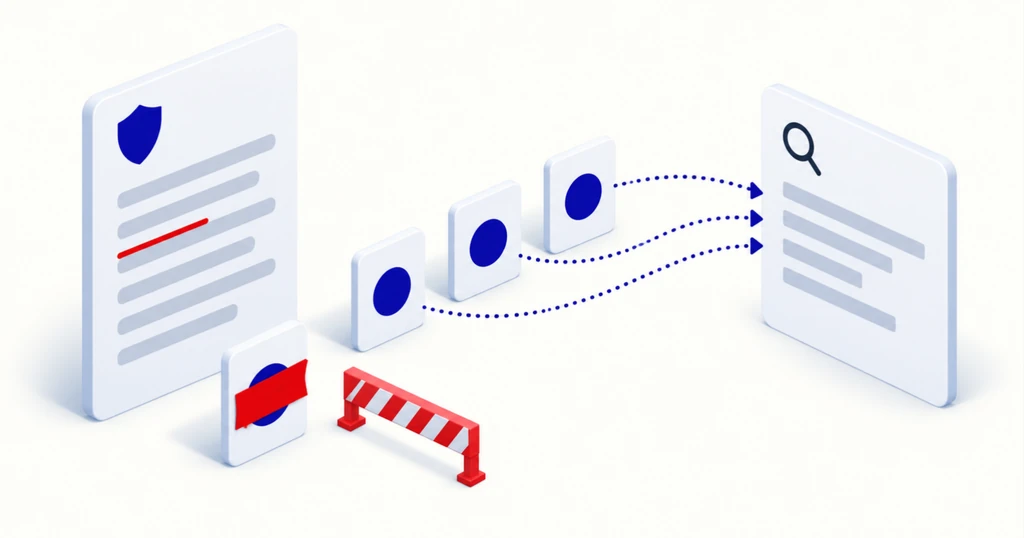
From November 12, 2026, Anthropic’s Usage Policy bans seeding AI answer sources with content that hides who made it. What it says and does not cover.

Which AI assistants sell ads today, what they cost and how to start: ChatGPT, Google AI Overviews and AI Mode, Microsoft Copilot and Amazon.

Choose an AEO or GEO agency on method, not on a list. Twelve questions to ask, the red flags, the deliverables to expect, and how to tell whether it is working.
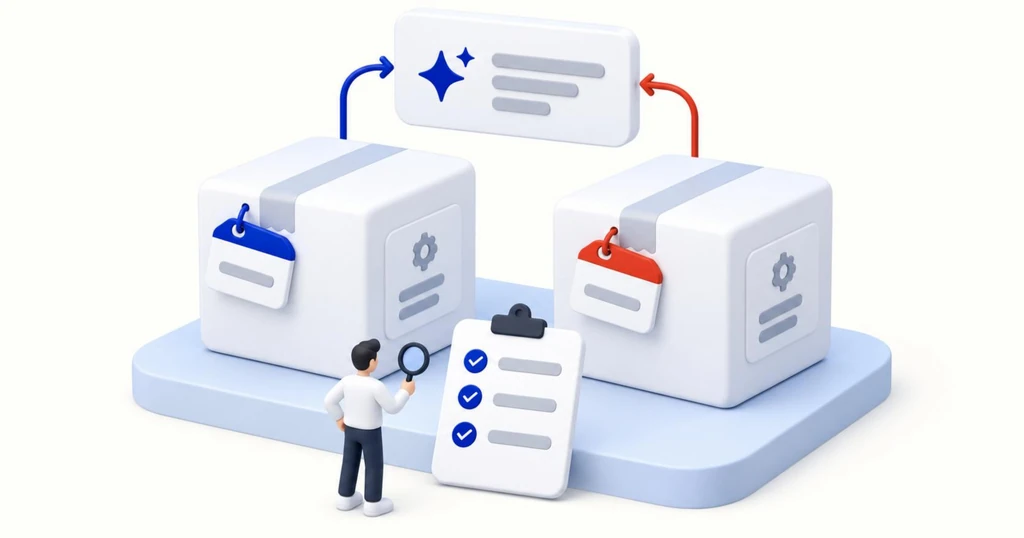
GEO and AEO services are mostly two names for the same work. What actually differs between providers, and the questions to ask before you hire one.

AEO software shows how AI engines answer your buyers; managed AEO services also do the work. How to choose by team, time and what you need to measure.
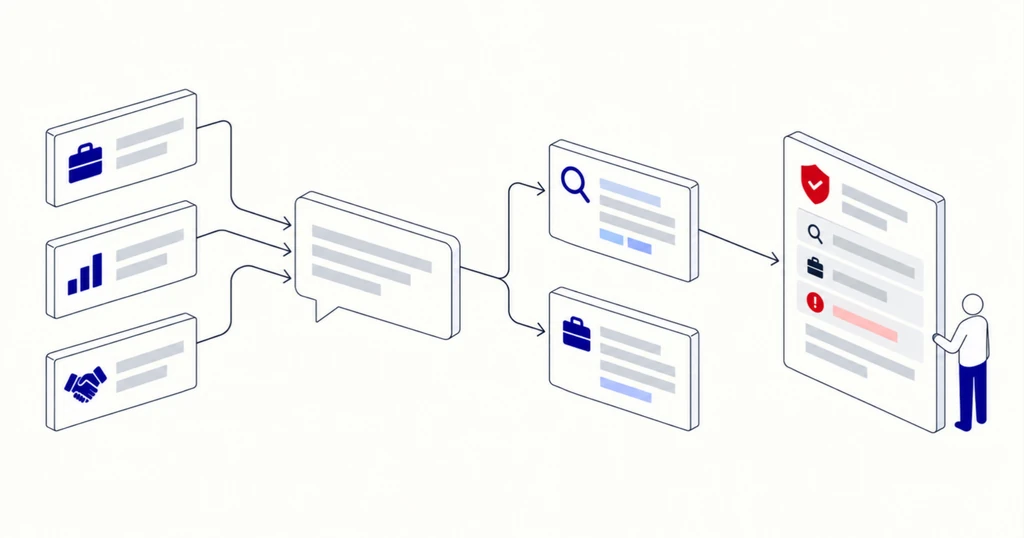
Buyers and investors ask AI whether to trust a vendor. How to measure what it tells them, with our own results as the worked example.
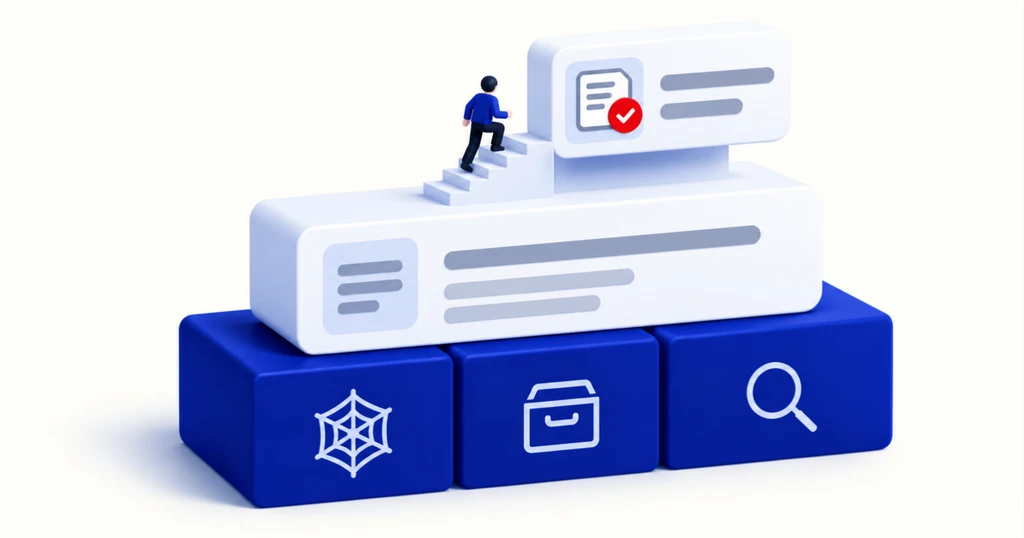
AEO vs SEO, measured: 57% of websites cited in Google AI Overviews were outside the top 10. Where good SEO does the AEO work, and where it stops.
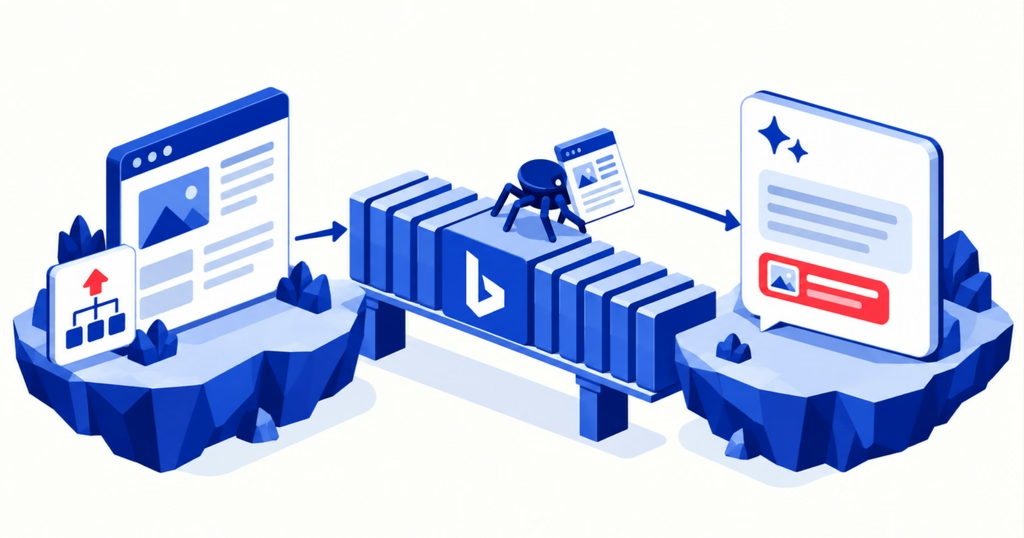
Copilot grounds web answers in the Bing index. What Microsoft documents, what is only reported, and the Bing controls a site owner has.
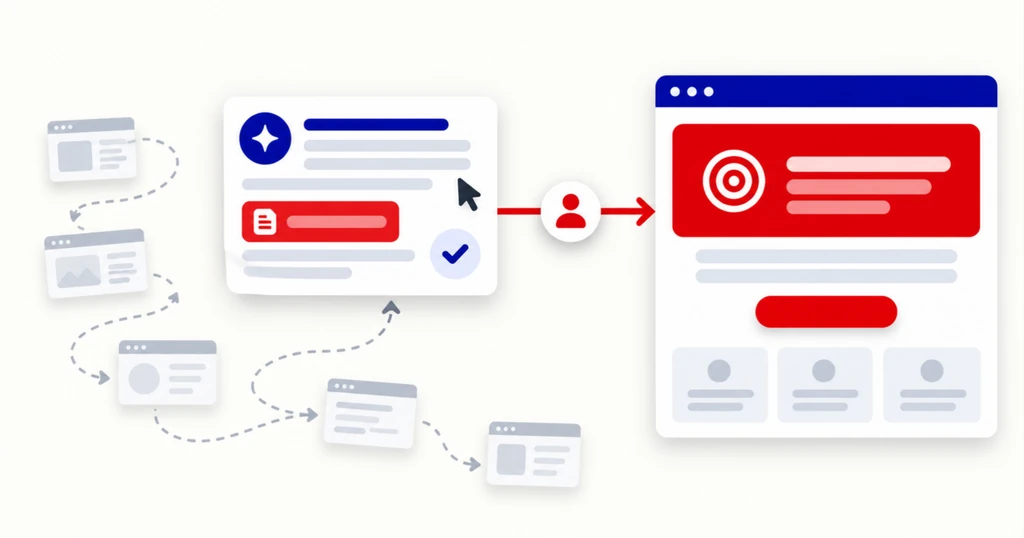
Visitors from ChatGPT and Perplexity have read a summary of you. How to find them in GA4, what page they need, and how to read conversion claims.
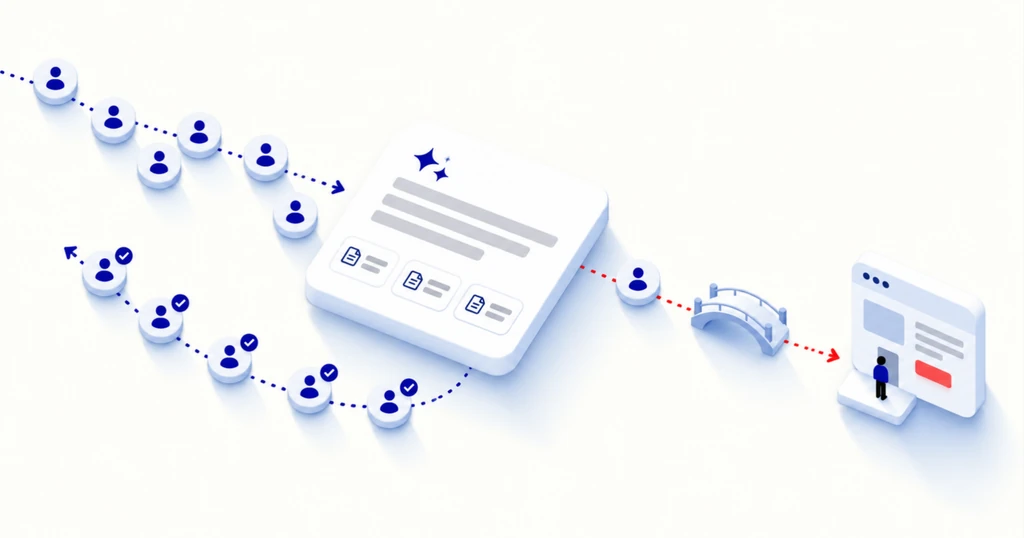
When an AI answer satisfies the buyer, no visit happens. What the click studies really show, how to check your own Search Console, and what to measure instead.
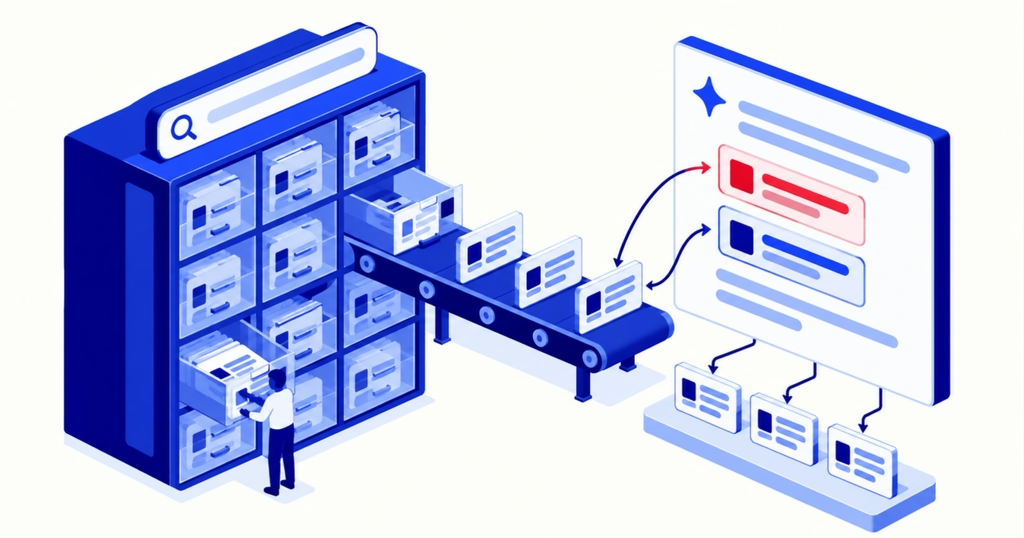
AI Overviews and AI Mode read from Google's Search index. What Google documents, what is only reported, and the controls a site owner has.
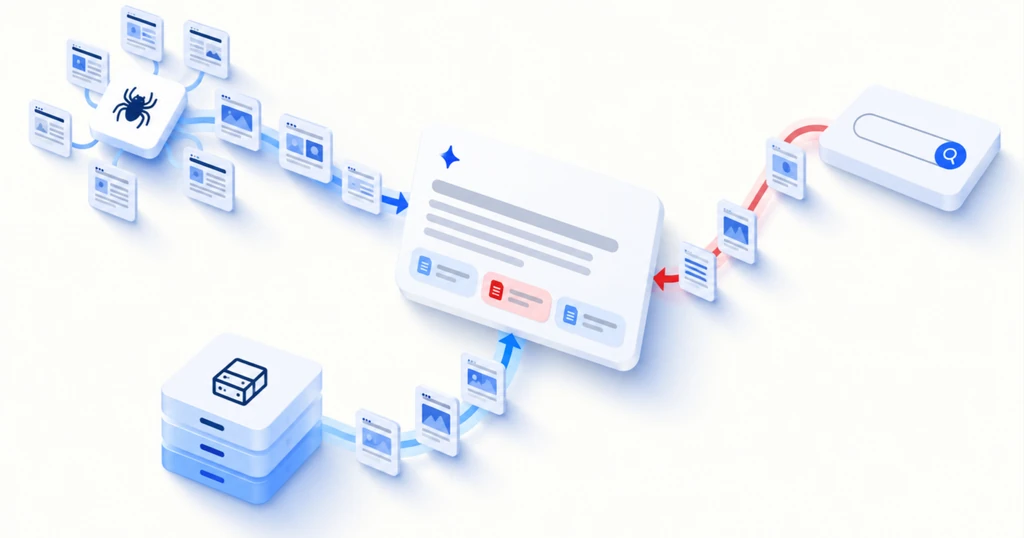
Which index ChatGPT search reads, which OpenAI crawler to allow, what OpenAI documents, and how to check that ChatGPT can see your site.

An AI assistant can describe your company correctly and still leave you off every shortlist. Why that happens, and how to measure and fix it.
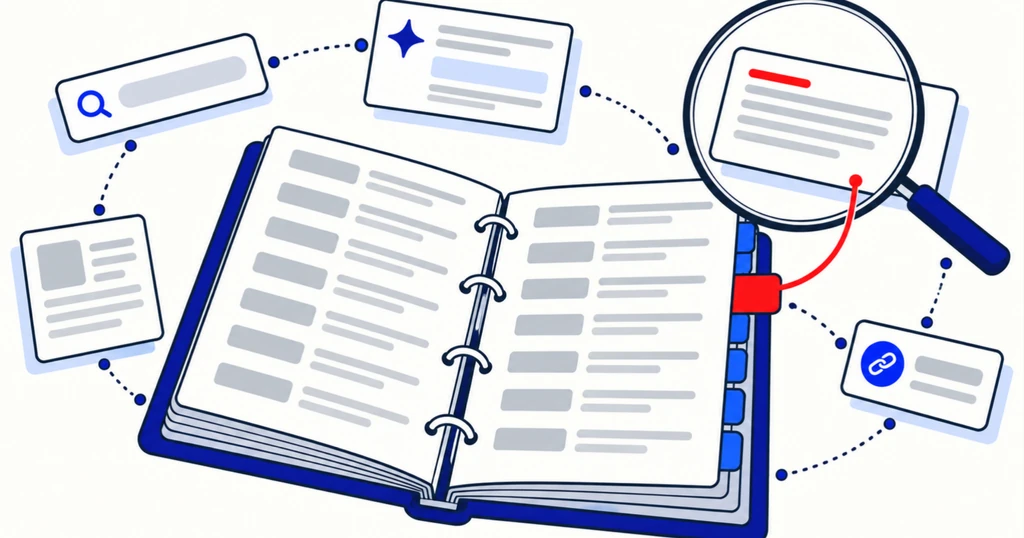
Fifty-five AI search terms, each defined in one sentence, from AI Overview and query fan-out to noise floor, for marketing and growth leads.
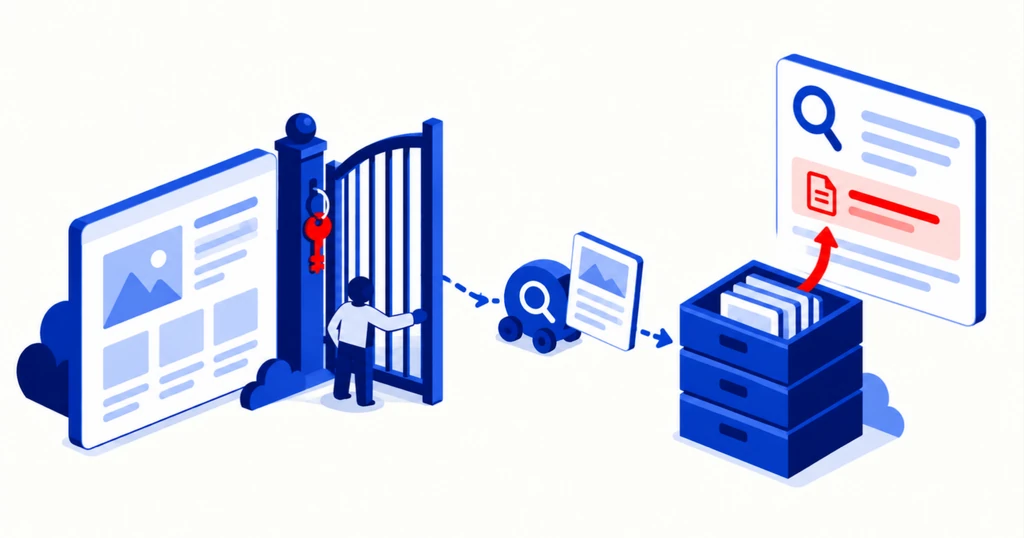
Which AI crawlers fetch pages for search and which collect training data, where each engine retrieves from, and the robots.txt mistakes that block AI search.

AI Overviews write from a few passages they retrieve for each question. A top Google ranking helps you get read but does not guarantee it. What to do instead.

An AI visibility audit checklist for small businesses: the six things a good audit checks, what it should deliver, and what to do with the findings.

The fastest-growing patterns are no longer narrow informational lookups. They are brainstorming, comparing, learning, creating, and planning. Queries are longer, more conversational, more multi-turn, and increasingly multimodal. The categories with the biggest commercial implications, Decide and Do, are also the ones growing fastest.
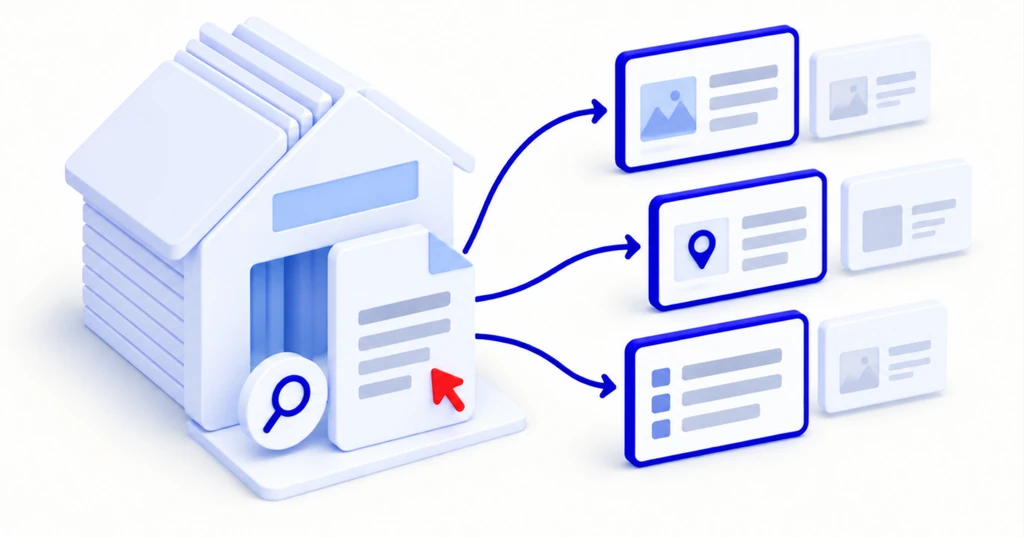
What an llms.txt file (also written llm.txt) is, with examples and the exact file format, whether it works according to 2026 studies, and how to build yours with a free generator.

We know enough to act. We do not know enough to relax. Volume, formats, pricing, and measurement of paid ads in AI will keep changing for the next several quarters. The fundamentals will not.
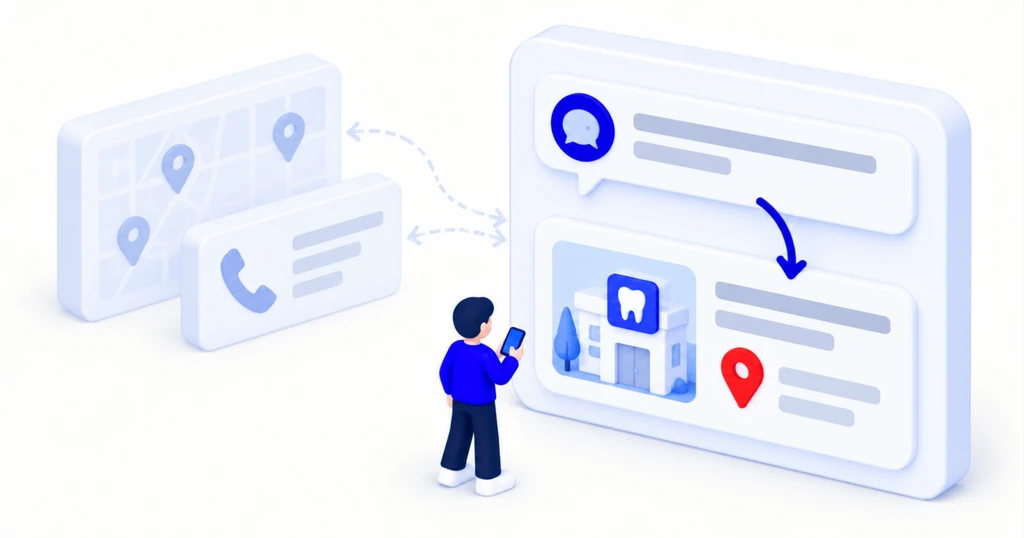
Search in dentistry is moving up the funnel. Before a patient visits a website, opens Maps, or calls reception, they may first ask an AI system for a recommendation, an explanation, or permission to act. That behaviour is not yet captured well by classic SEO language.

Schema markup for AEO and SEO: structured data types that matter, how to implement them, how they help rich results and AI knowledge graphs.
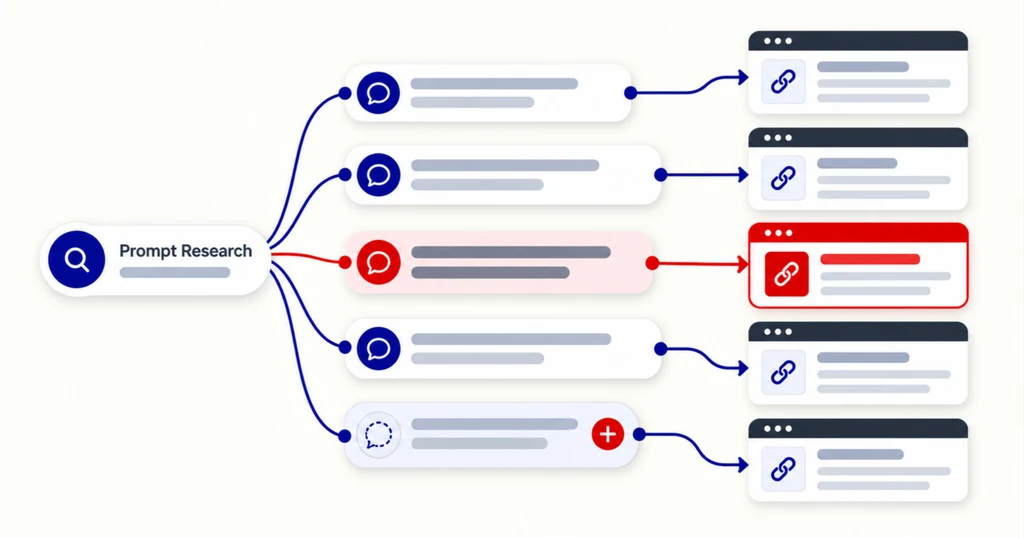
Prompt research is the new layer of content strategy in the AI search era. It builds on SEO fundamentals (good content, keywords, crawlability) but goes further by matching how people ask questions to AI systems.
AI will probably not fully replace traditional search engines in the next decade. But it is fundamentally changing how people discover information, right now, today, and the businesses that adapt earliest will capture an outsized share of tomorrow’s demand.
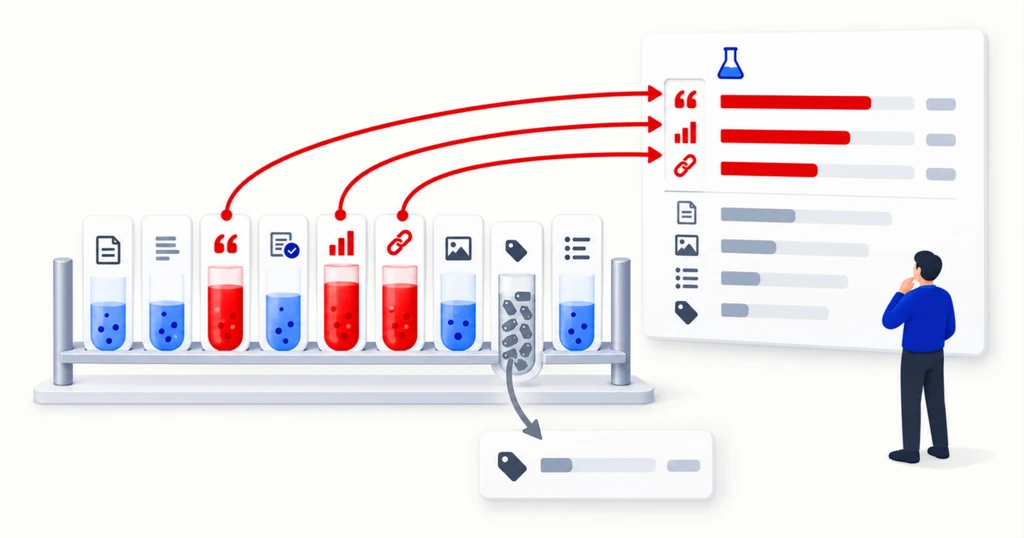
The GEO paper (Generative Engine Optimization, KDD 2024): a Princeton/IIT Delhi research team ran 10,000 queries through AI search systems and measured exactly which content changes got cited more. Quotations, statistics, and explicit sourcing boosted AI visibility by up to 40%. Keyword stuffing hurt visibility. Here is what that means for your business.

Explore what user intent really means, how AI answer engines interpret it, and how intent-focused content earns citations and visibility in AI search.

Constitutional AI is Anthropic's method, not an OpenAI one: how it shapes what Claude and other AI assistants cite, and an AEO checklist to apply.
Webinars
Free AI Visibility 101 webinars from the Elementera founders, by industry and date.
- SaaS, startups and fintech: why AI may not be recommending your companyOctober 2026
- Auto dealerships: teach AI what your dealership is known forSeptember 2026
- Dental practices: teach AI what your clinic is known forAugust 2026
- Auto dealerships: why your dealership is invisible to AIAugust 2026
- Dental practices: why your clinic is invisible to AIJune 2026