
OpenAI × Broadcom: From Sand to Intelligence
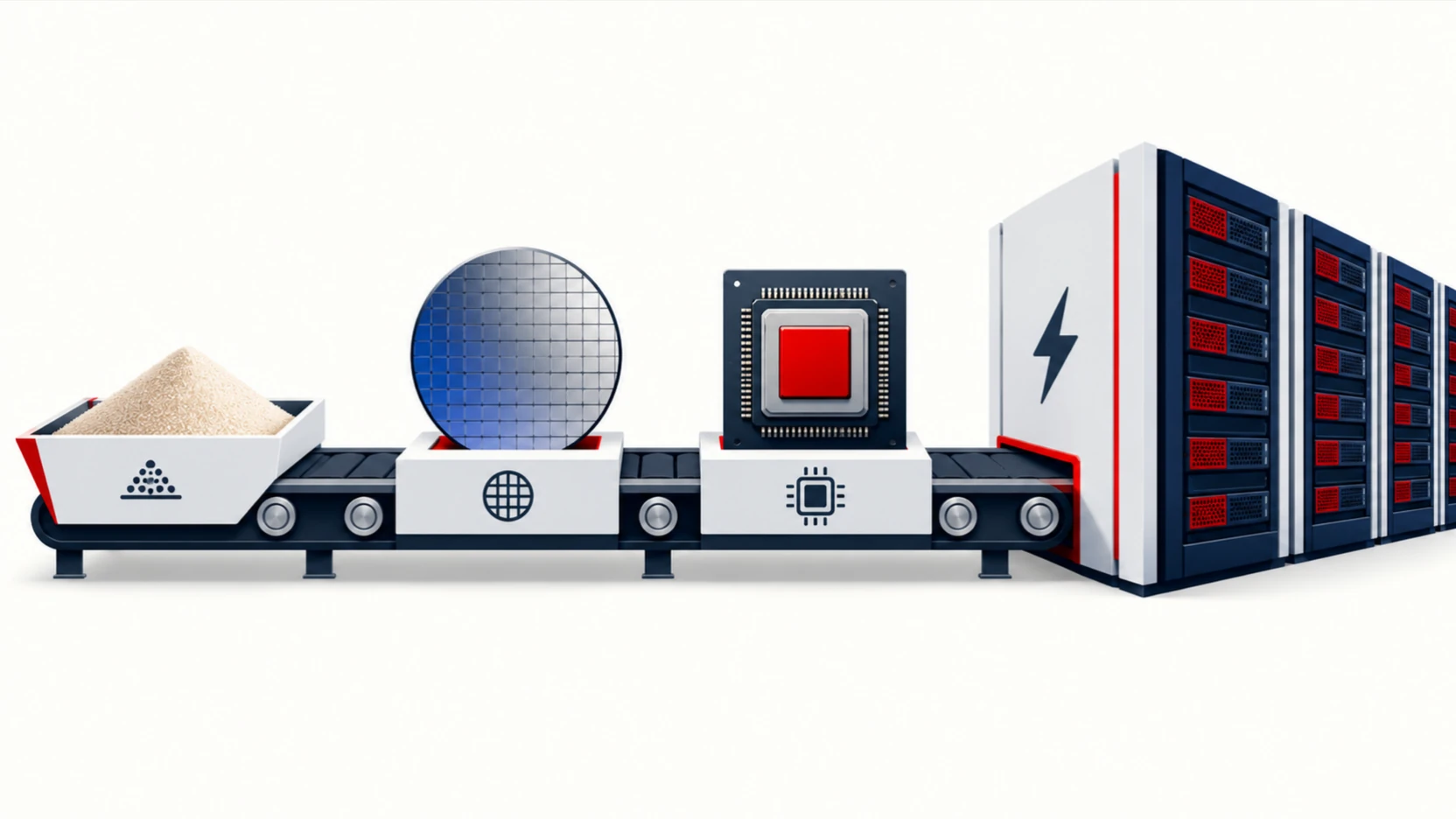
OpenAI has signed a multi-year partnership with Broadcom to co-develop custom AI chips and networking systems, a deal that will provide roughly 10 gigawatts of cutting-edge AI computing capacity. OpenAI will design the new AI accelerators in-house while Broadcom handles manufacturing and deployment, with first systems expected in 2026 and full rollout by 2029. This marks OpenAI’s first foray into designing its own silicon after relying heavily on Nvidia and AMD GPUs for its massive model training needs. By tailoring hardware to its AI models, OpenAI aims to boost performance and efficiency while reducing dependence on third-party chips, a bold vertical integration strategy in the AI industry.
OpenAI’s Broadcom pact is part of a broader trend: today’s AI leaders are racing to build custom silicon to support their AI ambitions. Companies like Google (with its custom TPU chips) and Amazon have developed proprietary AI processors to handle exploding computational demands, optimizing performance and cost by tightly integrating hardware and software. Even Meta and Microsoft are reportedly exploring in-house AI accelerators, as major players seek to reduce reliance on Nvidia’s GPUs amid skyrocketing demand. For Nvidia, these moves represent partial defections by once-loyal customers, underscoring that the next phase of AI competition will hinge as much on hardware prowess as on software innovation. Notably, the Financial Times estimates OpenAI’s total chip capacity plan now tops 26 gigawatts (roughly the output of 26 nuclear power plants) when combining this Broadcom deal with recent Nvidia and AMD orders.
For decision-makers and corporations, the signal is clear: AI adoption is becoming a necessity. While most organizations won’t be building their own chips, every business (small to large) will feel the impact of this AI hardware arms race through more powerful and cost-effective AI services. OpenAI’s bold bet on vertical integration highlights how critical controlling the tech stack has become for competitive advantage. For decision-makers, the key is to stay proactive: ensure your company can leverage these advances by integrating AI into your strategy and cultivating AI literacy across teams. In an era where giants are investing hundreds of billions to push AI forward, being prepared to adopt and innovate with AI will separate the leaders from those left behind.
Let AI experts at Elementera pave the way for you!

Ex-Microsoft. 10+ years of experience in AI/ML, MSc from Université de Montréal (Mila). US patent holder.

AI/ML scientist with 20+ years of research & industry experience. Ex-Google DeepMind, MIT, Harvard, Mila. McGill-Mila PhD.
Related articles
- Google Preferred Sources and AEO: what it is and how it affects your AI visibility
- What You Might Have Missed From Google I/O 2026 (And Why It Matters for AEO and AI Search)
- Google has removed FAQ rich results
- A new browser war is brewing but this time, it’s powered by AI
- Introducing CAILIN: The Corporate AI Literacy Index by Elementera
Latest articles
- Dental Practice Software in 2026: A Practical Guide to PMS Platforms and AI Tools (US and Canada)
- What an AI Visibility Audit Actually Covers for SMBs
- Inside Google’s First Year of AI Mode: What 1 Billion Users Reveal About How Americans Search Now
- What Is llms.txt and How to Implement It for AI Bots (2026 Guide)
- What We Know About Paid Ads in AI: A Practical, Evidence-Based Guide for 2026