
How Answer Engine Optimization Strategies Enhance AI Search Engine Visibility and Brand Discoverability
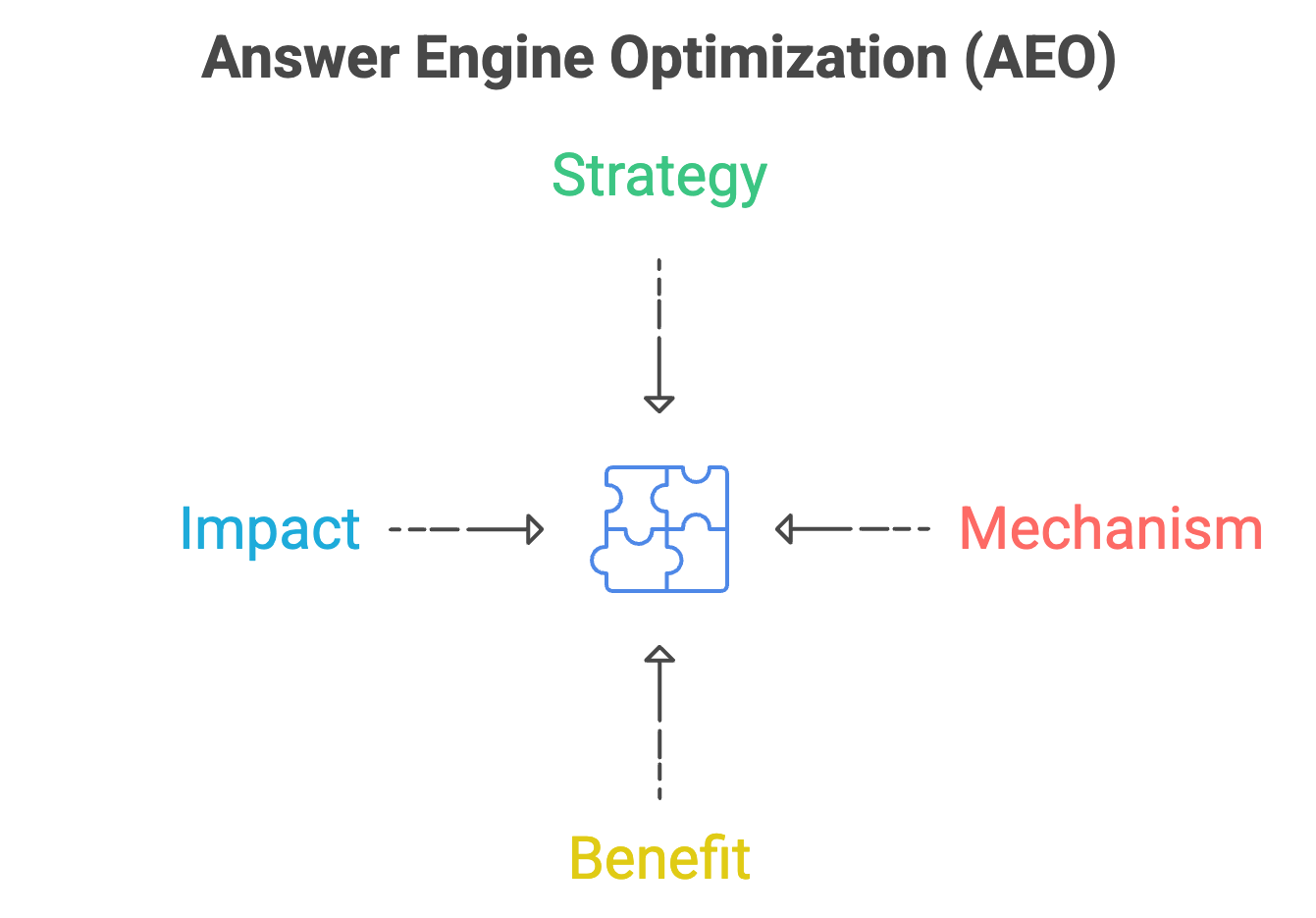
Answer Engine Optimization (AEO) helps brands appear in AI-driven search systems by aligning content with how those systems interpret queries. As conversational and generative AI become primary information channels, AEO complements traditional SEO with a focus on content structure, semantics, and user intent to improve discoverability and brand presence.
Key Takeaways
- Answer Engine Optimization (AEO) improves visibility in AI search.
- AEO emphasizes structure, semantics, and user intent over keywords alone.
- Core components: content preparation, semantic structuring, technical integration.
- Outcomes include higher AI visibility, better user experience, and sustained authority.
- Platforms such as ChatGPT and Google Search respond well to AEO-aligned content.
- Semantic SEO centers on intent and context rather than isolated keywords.
- Schema markup and NLP techniques improve AI content parsing.
- Practical steps: audits, structured data, and content strategy updates.
- Measured results typically show increased traffic, engagement, and conversions.
What Is Answer Engine Optimization and Why Does It Matter for Online Visibility?
AEO is a targeted approach to make content more findable and usable by LLM and AI answer systems. Rather than prioritizing only keywords and backlinks, AEO organizes content around intent and entities so AI can extract and present answers accurately.
Importance of AEO for Online Visibility
AEO matters because it:
- Increases discoverability: Raises the chance content is used in AI responses.
- Signals authority: Positions brands as reliable sources for direct answers.
- Supports durable visibility: Helps maintain presence as AI systems evolve.
Key Components of AEO
Essential elements include:
- Content preparation: Clear, concise pages that answer user queries.
- Entity & semantic structuring: Mark entities and relationships for AI parsing.
- Technical SEO integration: Fast, mobile-friendly sites with proper indexing signals.
Benefits of AEO
Typical, measurable benefits that borrow heavily from answer engine SEO techniques, include:
- Greater AI visibility: More appearances in AI outputs and widgets as the share percentage of AI citation in global searches are increasing rapiddly.
- Improved UX: Faster answers and clearer content for users. Usually, a genuinely helpful content is also a favorable content that can show up in SERP.
- Long-term authority: Sustained relevance as systems favor structured, trusted sources.
How Does AEO Improve Brand Visibility Across AI Platforms Like ChatGPT and Google AI?
By tailoring content to platform requirements, using natural language, clear structure, and explicit intent signals, brands increase the likelihood AI systems will surface their material in conversational answers and reference outputs.
Elementera AI Inc. provides research and implementation services to help businesses optimize presence across AI answer engines (for example ChatGPT, Gemini, Google AI, Perplexity, and Claude) by applying AEO best practices.
Which AI Search Engines Support Answer Engine Optimization?
Examples of AI engines that respond to AEO include:
- OpenAI ChatGPT: Conversational answers to direct queries.
- Google Search AI Overiew or AI Mode: Integrates AI and structured data into results.
- Perplexity: Delivers concise, sourced AI responses.
What Semantic Search Engine Marketing Techniques Boost AI Content Discoverability?
Core techniques:
- Semantic understanding: Use NLP-aligned language to match intent.
- Efficient ranking: Prioritize relevance and authority signals.
- Structured content: Headings, bullets, and clear answers for quick parsing.
Different strategies produce benefits through mechanisms such as better intent mapping and richer contextual signals.
The table summarizes how entity-focused approaches help AI systems interpret content more accurately than keyword-only tactics.
How Does Semantic SEO Differ from Traditional SEO in AI Contexts?
Semantic SEO centers on the meaning and intent behind queries rather than isolated keywords. AI systems favor content that captures context and relationships, so a semantic approach increases relevance in AI search outputs.
What Are Effective AI Content Structuring and Markup Practices?
Recommend practices:
- Structured data: Use schema to label entities and actions.
- Content organization: Logical headings and concise answers.
- NLP techniques: Natural phrasing and entity clarity to aid parsing.
Elementera applies these practices, on top of many other search engine optimization techniques, to help clients optimize content for AI platforms, and research shows schema markup improves machine understanding of complex pages.
AI & Semantic Tech: Optimizing Search with Schema Markups
Advances in artificial intelligence and semantic technology have led search engines to integrate semantic processing to address complex queries and improve results. This integration requires identifying known concepts or entities and their relationships within web page content.Autonomous schema markups based on intelligent computing for search engine optimization
, BUD Abbasi, 2022
How Can Businesses Optimize Their Brand Presence for ChatGPT and Other AI Answer Engines?
Start with an AI visibility audit, then adapt content strategy to provide concise, entity-rich answers and implement structured data. Prioritize building long-term authority through consistent, high-quality content that addresses common user intents.
What Role Does AI-Driven Brand Management Play in Enhancing Online Visibility?
AI-driven brand management uses behavior and preference data to refine messaging and content priorities, improving relevance and engagement across AI search interactions.
Which Customized Strategies Help Enterprises Adopt and Optimize AI Search Solutions?
Common enterprise steps:
- AI visibility audit: Identify gaps and opportunities.
- Structured data implementation: Mark key entities and schemas.
- Content strategy transformation: Rework assets to match AEO patterns.
What Measurable Outcomes Demonstrate the Impact of Answer Engine Optimization?
Measured outcomes typically include increased organic and referral traffic, improved engagement metrics, and higher conversion rates, validating AEO investments when tracked over time.
How Do Case Studies Illustrate AEO’s Effectiveness in Increasing Traffic and Engagement?
Case studies show brands that applied AEO often see meaningful gains in traffic and engagement after restructuring content and adding semantic markup, frequently on accelerated timelines compared with traditional SEO-only changes.
Which KPIs and Monitoring Tools Track AI Search Visibility Improvements?
Important KPIs to think about:
- Organic traffic: Visitors from AI-driven sources.
- Engagement metrics: Time on page, scroll depth, bounce rate.
- Conversion rates: Actions taken after AI-driven referrals.
Tools such as Google Analytics and specialized AI analytics platforms help monitor these indicators and guide iterative AEO improvements.
For additional detail on access control methodologies, consult role-based access control.
Frequently Asked Questions
What are the main differences between AEO and traditional SEO?
AEO emphasizes intent, entities, and structured answers for AI systems, while traditional SEO focuses more on keywords and links. Both are complementary, but AEO reshapes content to fit how AI surfaces answers.
How can businesses measure the success of their AEO strategies?
Track KPIs like organic traffic from AI referrals, engagement metrics, and conversions; use analytics to compare performance before and after AEO changes.
What role does content quality play in AEO?
High-quality, direct answers increase the chance AI systems will use your content. Clarity, accuracy, and relevance are critical.
Can AEO strategies be applied to all types of businesses?
Yes. AEO principles apply broadly; tactics should be tailored to audience needs and the platforms you prioritize.
What are some common pitfalls to avoid when implementing AEO?
Avoid ignoring content quality, misinterpreting intent, and neglecting technical fundamentals. Regular audits and conservative optimization reduce risk.
How often should businesses update their AEO strategies?
Review strategies regularly, quarterly is a practical baseline, and update more often if platform signals or user behavior change rapidly.
What tools can assist in optimizing content for AEO?
Use SEO analysis platforms (for example, SEMrush and Ahrefs) for structure insights, schema markup generators for structured data, and NLP tools to refine phrasing and entity coverage.
Conclusion
Answer Engine Optimization helps brands surface in AI search by focusing on structured, intent-driven content and technical readiness. Implementing AEO, through audits, schema, and targeted content changes, improves discoverability, user experience, and long-term authority across AI platforms.